
Your website is your brand’s digital home base. It should look great, load fast, and work for everyone who lands on it.
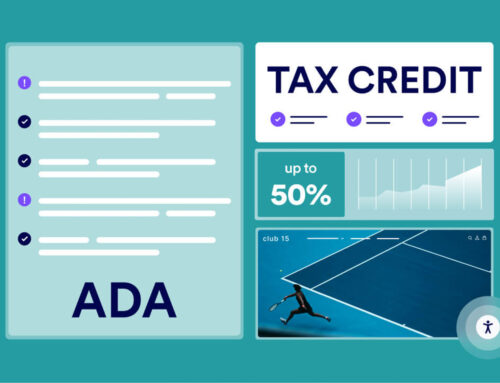
If accessibility has been sitting on your “we should do this” list, here’s a timely nudge: some accessibility upgrades may qualify your business for the IRS Disabled Access Credit (often called the “ADA tax credit”), which can cover 50% of eligible costs, up to $5,000.
Here’s what that means, who it’s for, and how to use it as a push to make your site more accessible.
Why Website Accessibility Matters
Accessibility is about removing barriers. It helps people who use screen readers, keyboard navigation, captions, or other assistive tools move through your site without friction, and it helps you reach the widest possible audience.
It also tends to reduce drop-offs and make it easier for people to book, buy, or reach out.
A Simple Way To Improve Accessibility
Making your website accessible does not have to mean rebuilding everything from scratch. If you’re wondering what accessibility looks like in practice, it often starts with a tool that helps identify and reduce common barriers.
Tools like AccessiBe can help your site:
- Support ADA and WCAG-aligned accessibility goals
- Improve the experience for visitors of all abilities
- Potentially qualify for valuable year-end tax savings if your business is eligible for the IRS Disabled Access Credit
What Is Web Accessibility?
Most accessibility work is guided by WCAG 2.1 (Web Content Accessibility Guidelines) from the W3C (World Wide Web Consortium). Think of WCAG as the playbook developers use to make websites easier to use for people with a wide range of needs.
What Is The ADA Tax Credit?
When people say “ADA tax credit,” they’re usually referring to the Disabled Access Credit, claimed with IRS Form 8826.
It encourages small businesses to invest in accessibility improvements. It’s a good reason to ask your CPA about it when you’re planning accessibility work.
How Much Is The ADA Tax Credit?
In general, the credit covers 50% of eligible accessibility costs, up to a maximum of $5,000. The IRS doesn’t count the first $250 of expenses and limits how much spending can be used to calculate the credit.
Who Qualifies For The ADA Tax Credit?
You may qualify if, last year, your business had:
- $1M or less in gross receipts, or
- 30 or fewer full-time employees
If that sounds like you, it’s worth bringing up with your tax pro.
What Accessibility Costs Can Qualify?
Generally, accessibility expenses are the costs tied to making your website easier to use for people with disabilities.
That can include audits, fixes for common barriers (like forms and keyboard navigation), accessibility statements, and ongoing monitoring or maintenance. Keep your invoices and scope notes so your tax professional can confirm what applies to your business.
How Unravel Helps With Website Accessibility
Unravel believes the internet should be available and accessible to anyone. We’re committed to powering websites that are accessible to the widest possible audience, regardless of circumstance and ability.
Our accessibility solution is built to help you:
- Create a website that’s easier to use for people with disabilities
- Support accessibility alignment with WCAG 2.1 (AA) and common standards like ADA Title III and Section 508
- Improve usability for all visitors, which can help boost engagement and support SEO performance
- Reduce risk by addressing common accessibility gaps that can lead to complaints or lawsuits
Using The Tax Credit As A Year-End Boost
If you (or a client) have been interested in accessibility but haven’t taken the leap, this credit can be a practical reason to prioritize it now. You’re improving the experience for users and may be able to offset part of the cost at tax time.
Ready To Make Your Website More Accessible? We Can Help!
Accessibility matters. It helps build trust, supports stronger visibility online, and creates a better experience for every person who visits your site.
Not sure where to start? Contact Unravel today, and we’ll help you take the next step toward a website with fewer barriers and more access for all.